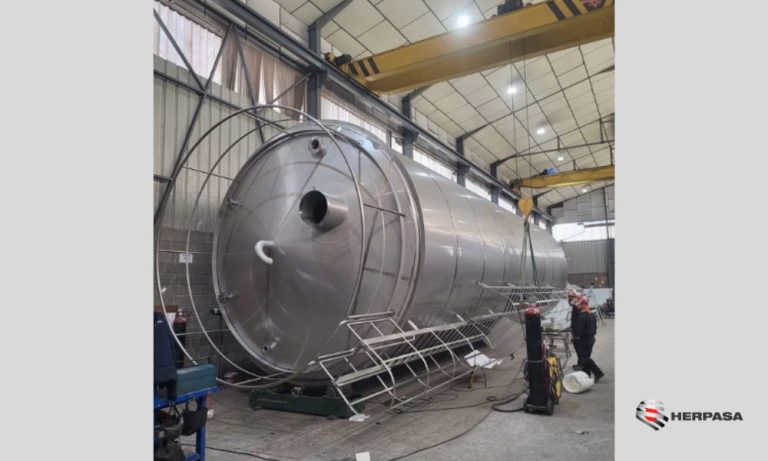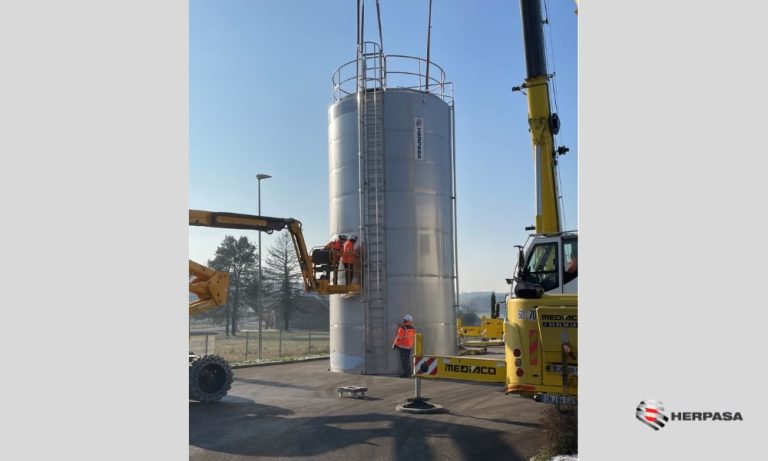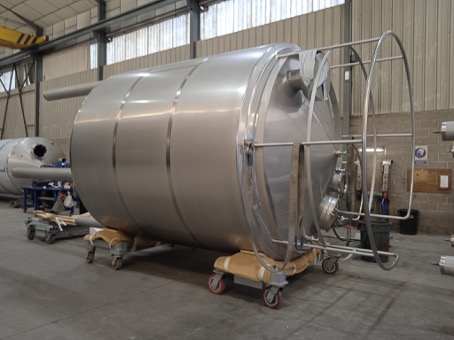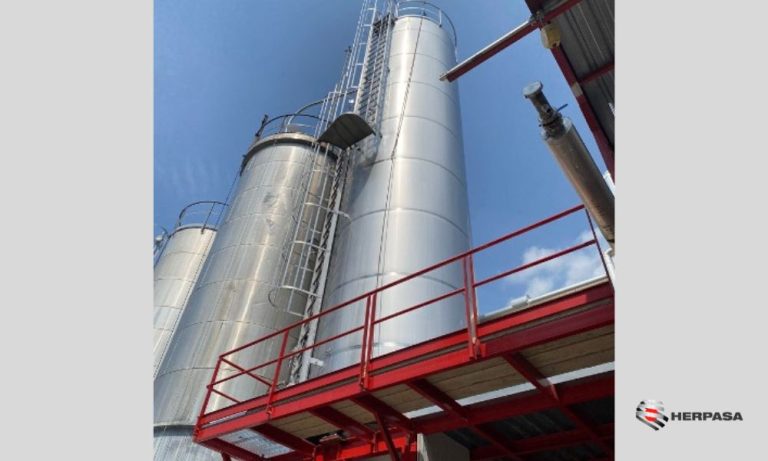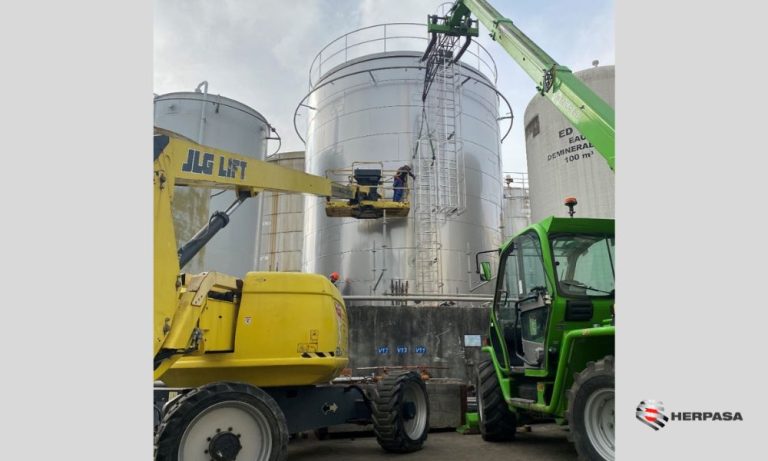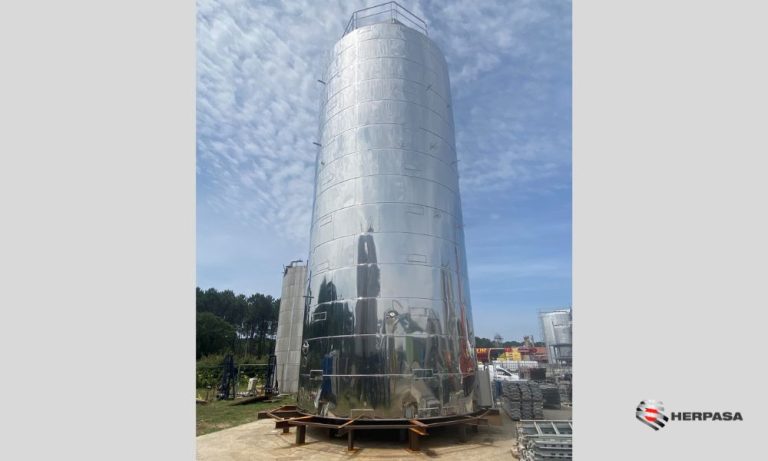
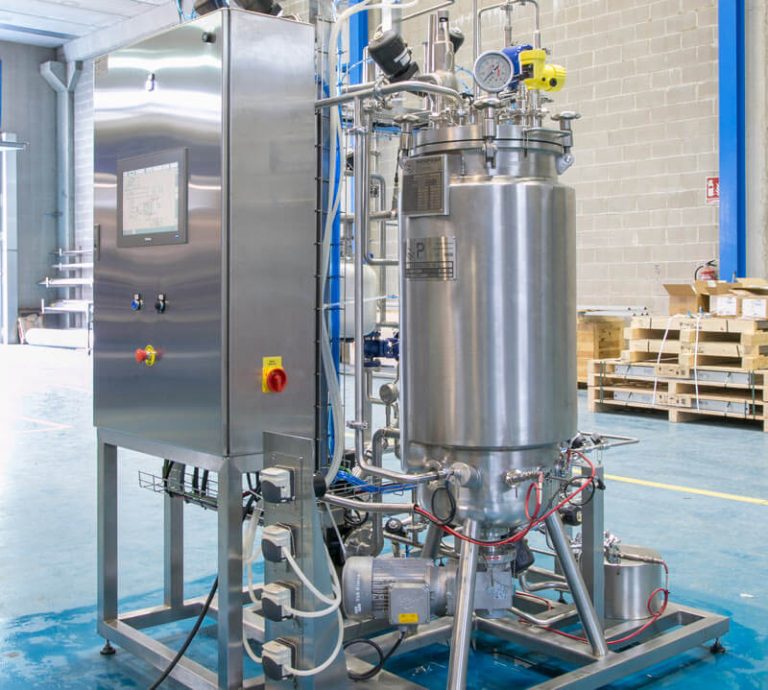
HERPASA has completed the design and manufacturing of a bioreactor skid with control of all parameters involved in the microorganism growth process and its visualization and management through SCADA (Supervisory Control and Data Acquisition).
If there is one word on everyone’s lips in recent years, it is biotechnology, which is destined to revolutionize the pharma sector, especially its processes. And although biotechnology has many variants and offers an enormous range of possibilities, in many cases the production of a drug will revolve around a bioreactor.
A bioreactor is a vessel in which there are controlled conditions that allow the development of a reaction through living organisms or biochemically active substances. The diversity of processes means that there are several types of bioreactors and that they can be classified in different ways.
All the attributes they typically include, such as the jacket for temperature control, agitator, probes, etc., are aimed at maintaining a series of critical conditions in the reactor environment. These conditions are: pH, temperature, nutrients, and dissolved oxygen.
Our bioreactors are designed to operate in batch mode, with the following operating stages:
- Culture medium loading: The required volume of medium is added to the interior of the bioreactor.
- Inoculum addition: The culture inoculum is added to the interior of the bioreactor.
- Bioreaction: The bioreaction is carried out, in which temperature, optical density, pH, and dissolved oxygen are controlled and monitored.
- Bioreactor discharge: The product is discharged for processing in the downstream stages.
- CIP: Automated cleaning of the bioreactor and its piping and components.
- SIP: Sterilization of the bioreactor.
If a continuous process is required, our engineering team would carry out the necessary process adaptation.